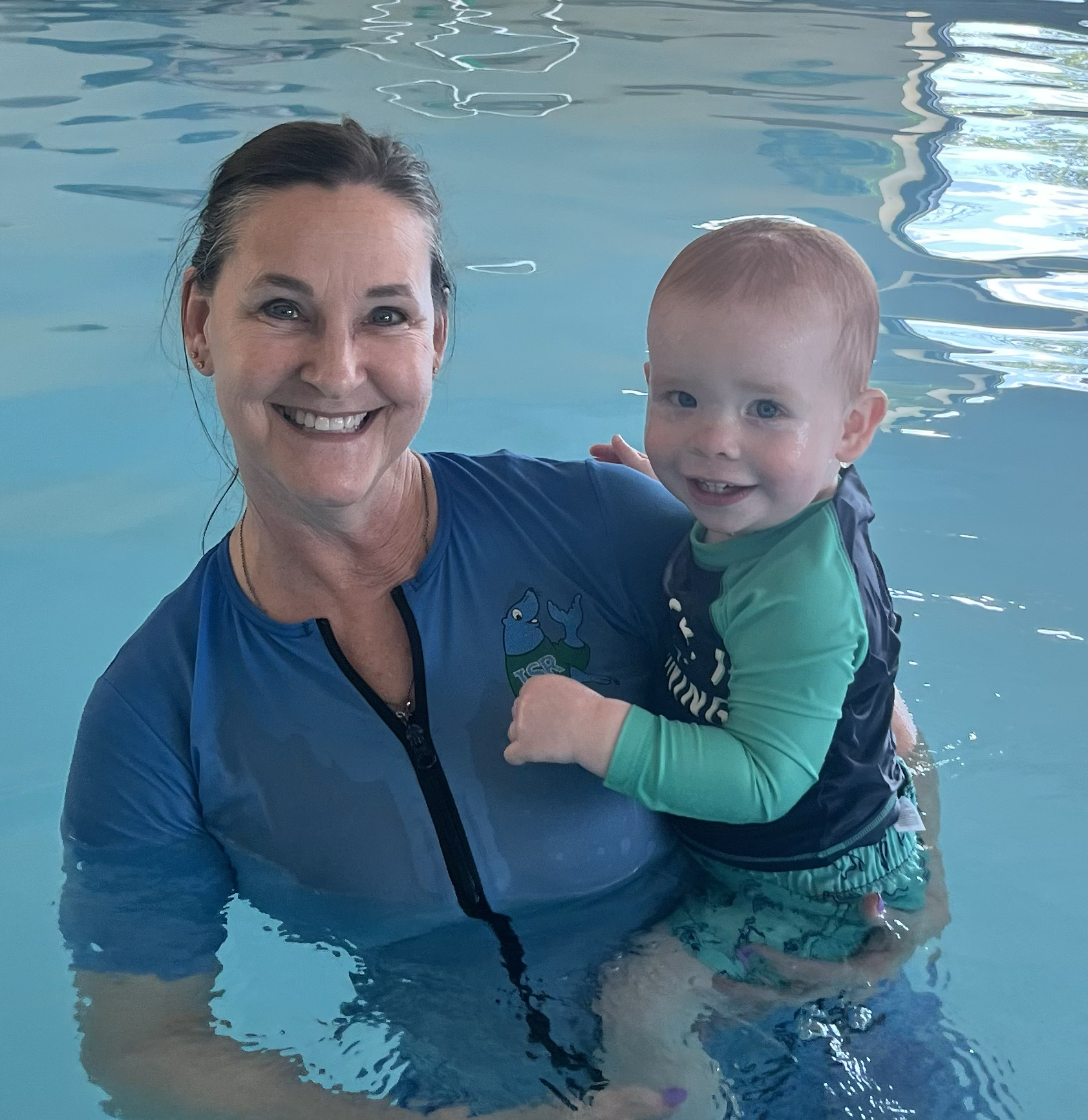
Hi I'm Lisa, ISR Master Instructor!!

Proudly serving the greater Cincinnati area for 16 years!

Welcome to all new and returning students! I can't wait to get started!

Featured image

Meet your Greater Cincinnati area ISR Master Instructor

In 2009, I made the decision to become an ISR Instructor after my son learned his self-rescue skills when he was just 20 months old. He's now 19 years old, LOVES the water and enjoyed swimming for the Cincinnati Marlins and the Lakota YMCA swim teams.

I am also a Registered Pharmacist and left that full time career to become an ISR Instructor because drowning has truly become an epidemic.​

​In several states, drowning is the leading cause of death in children under 4. Now I am proudly supporting the mission of the ISR founders, that "not one more child drowns". To this day, I am still moved to see a child roll back and float on their own for the first time. It's a blessing to be able to empower babies and young children with this gift.
l.feldmann@infantswim.com

Swim Instructor Image
FAQs
What other benefits does the ISR lesson experience provide students?
Every child is unique. However, many parents report that once their young children have mastered learning to swim, the resulting confidence in their abilities engenders a positive self-concept that is often demonstrated in other aspects of their personalities. There are also obvious health and other psychological gains.
Can’t babies swim naturally?
Unfortunately, babies cannot naturally swim. If this were the case, there wouldn’t be so many drownings every year. According to the Center for Disease Control and Accident Prevention, drowning is the leading cause of accidental death for children ages 1-4 in the United States.
How do you teach them to hold their breath?
Breath holding skills are taught beginning with the first lesson. We shape breath control using highly effective positive reinforcement techniques. We continue to reinforce these breath-holding techniques throughout every lesson.
Why are lessons 5 days per week and for only 10 minutes?
The reason for this is multifaceted. First, repetition and consistency are crucial elements of learning for young children. Research shows that short, more frequent lessons result in higher retention. Second, most children have fairly short attention spans and will not be able to focus on the task for longer and we want to take advantage of the best time for learning. A third reason is that, though the pool temperature is maintained at 78-88 degrees, the temperature is still lower than your child's body temperature. Lessons are work and therefore will also be losing body heat. Instructors check students regularly for temperature fatigue since this is an indicator of physical fatigue.

Schedule Lessons Today!!!

Fall, winter and spring are the best times for your child to be in lessons. The sooner, the safer!!