ISR Self-Rescue Lessons

Empower your child with this amazing skill set today!
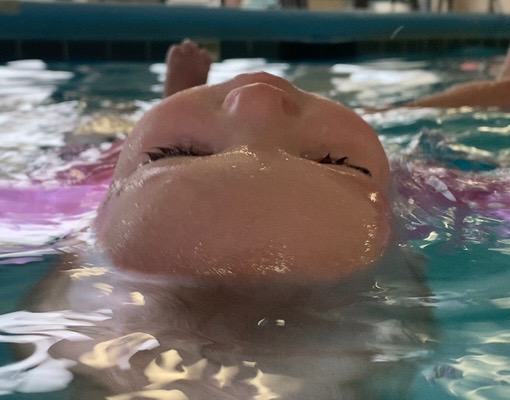
Featured image

6 to 12 months and able to sit unassisted

YOUR CHILD WILL LEARN:

  • To hold their breath underwater we will not move forward in lessons until your child is effectively holding their breath.

  • To float unassisted, resting and breathing until help arrives.

  • To right themselves into a stable back float from any angle of entry into the water.

  • To perform these ISR Self-Rescue skills first in a swimsuit, then while fully clothed including a diaper.

13 months and walking to 6 years old will learn a swim/float/swim sequence

YOUR CHILD WILL LEARN:

  • To hold their breath underwater lessons will not move forward until your child is effectively holding their breath.

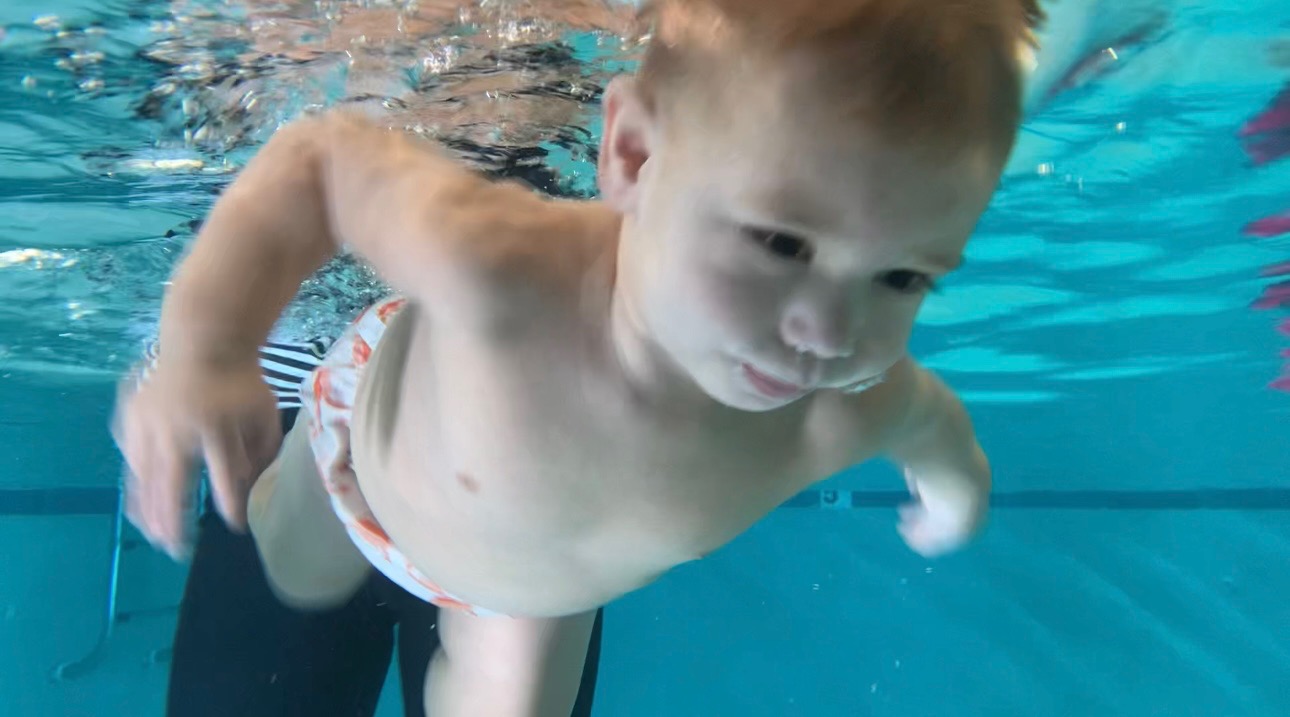
  • Swim with their face down in the water

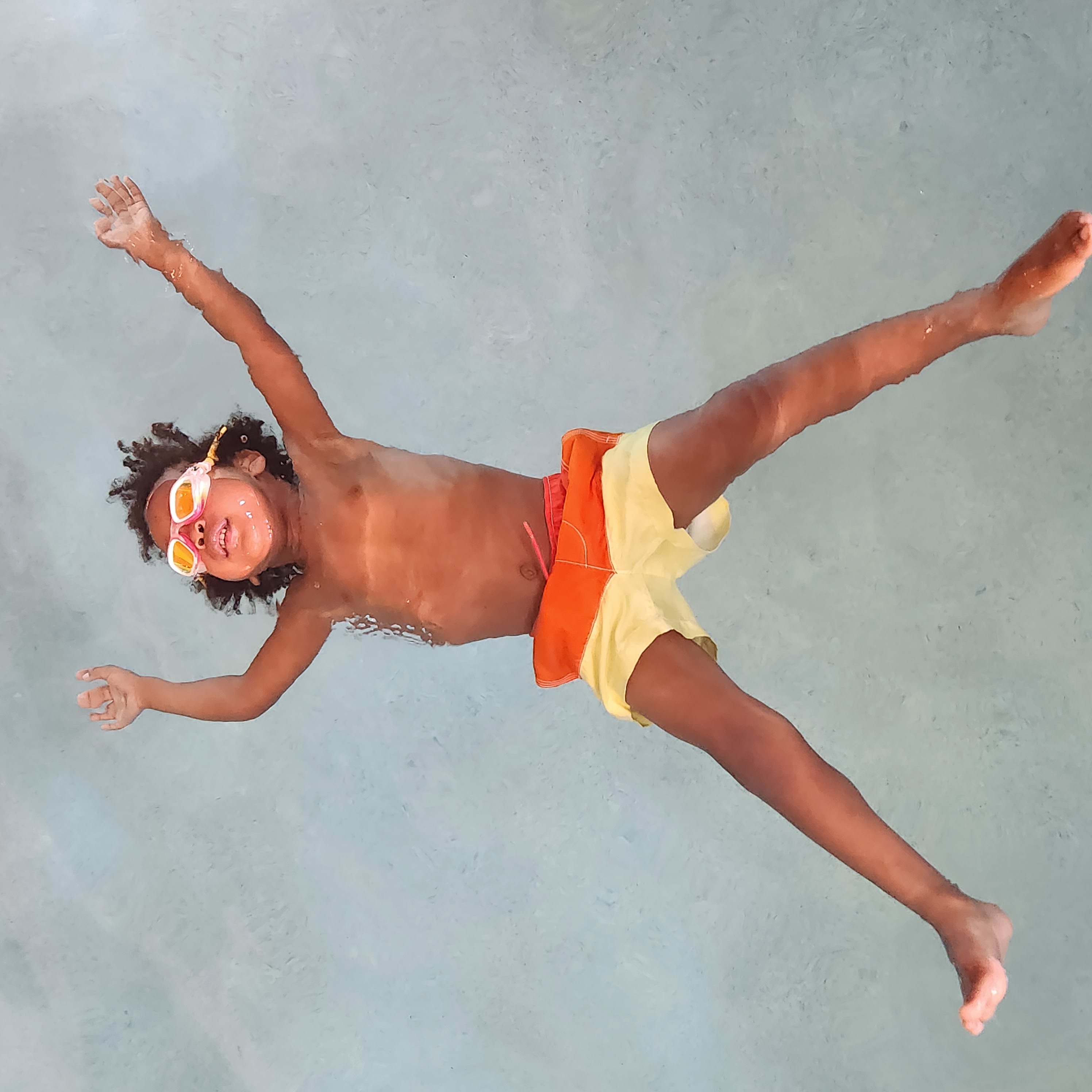
  • Roll onto their back to float, rest, and breathe

  • Flip over to resume swimming position. S/he will be able to repeat this swim-float-swim sequence until s/he reaches the side of the pool.

  • To perform these ISR Self-Rescue skills first in a swimsuit, then while fully clothed (including a diaper if child is not yet toilet knowledgeable).
MAINTENANCE AND REFRESHER LESSONS

MAINTENANCE LESSONS - WEEKLY OR EVERY OTHER WEEK

  • One (or more) lesson(s) per week or every other week

  • Allows your child to practice their skills more frequently to prevent developing bad habits

  • Allows your child to grow their skills with their ever-growing bodies!

REFRESHER LESSONS - SEMI-ANNUALLY TO ANNUALLY

  • Attend daily lessons semi-annually at a minimum

  • Usually scheduled for two to three weeks, depending on the child’s age and abilities

  • Necessary because as children grow, their center of gravity changes and skills need polished

FAQs
Can you really teach a child who is not verbal how to swim?
Yes. Consider that children learn to sit, crawl and walk before they learn to speak. Because we teach through sensori-motor learning, verbal skills are not required for a child to acquire Self-Rescue skills. We are able to communicate with our students through touch and positive reinforcement while striving to set our students up for success every step of the way.
If more frequent but shorter lessons are better, then why don’t you teach 7 days/week?
Everyone needs a little break from learning to process the information and in this case to give muscles a chance to recover. In addition, you need to be able to spend time with your family, as does your instructor. Weekends are family time. Periodically, if weather or other issues have cause lessons to be canceled for numerous days, your instructor may choose to offer make-up lessons on a weekend. This is strictly up to the instructor and based on the availability of parents.
How can you teach babies and young children to swim?
ISR instructors teach infants to swim by honoring each child's individual strengths and experiences. They understand the fundamentals of the behavioral sciences, child development and of sensori-motor learning as it relates to the acquisition of aquatic survival skills; they use this education to guide each child through the sequence of learning to swim and float.
Are swimming lessons for infants and young children safe?
I can’t speak for all swim lessons, but I can tell you ISR is dedicated to safety and maintaining numerous safety protocols to promote safe lessons. Your child's health and well-being are our highest priority and are closely monitored on a daily basis. In addition, your child's medical and developmental history is a mandatory part of the ISR national registration process, all of which is held strictly confidential. All ISR instructors undergo intensive and rigorous training that far exceeds any other training program of this kind. Each ISR instructor is also required to recertify yearly with emphasis on quality control, safety and lesson efficiency. Your education in the area of aquatic safety for your entire family is an integral part of your child's lessons. You will receive access to the "Parent Resource Guide" to inform you about every aspect of swimming and aquatic safety for infants and children. With research, you will find that ISR is not only the safest survival swimming program but also the most effective for teaching infants and young children.

Schedule Lessons Today!!!

Check out our programs and get started today!